



Over the past 18 months, AI assistants have moved from experimental toys to serious shopping infrastructure.
OpenAI’s new Shopping Research feature in ChatGPT is the latest step: a built-in product discovery experience that builds personalised buyer guides, compares options and links to merchants directly from the chat interface.
Crucially, this is not happening in isolation. Google is rolling out its own agentic shopping stack including conversational shopping in Search and Gemini, plus agentic checkout that can track prices and complete purchases on participating merchants using Google Pay. Perplexity has launched “Shop like a Pro”, a native AI shopping assistant with one-click checkout (“Buy with Pro”) and visual search (“Snap to Shop”) for U.S. Pro users.
Together, these moves signal a broader shift we’d describe as Generative Engine Optimisation (GEO) which means optimising for AI agents (ChatGPT, Gemini, Perplexity, etc.) that increasingly mediate search, discovery and purchase decisions.
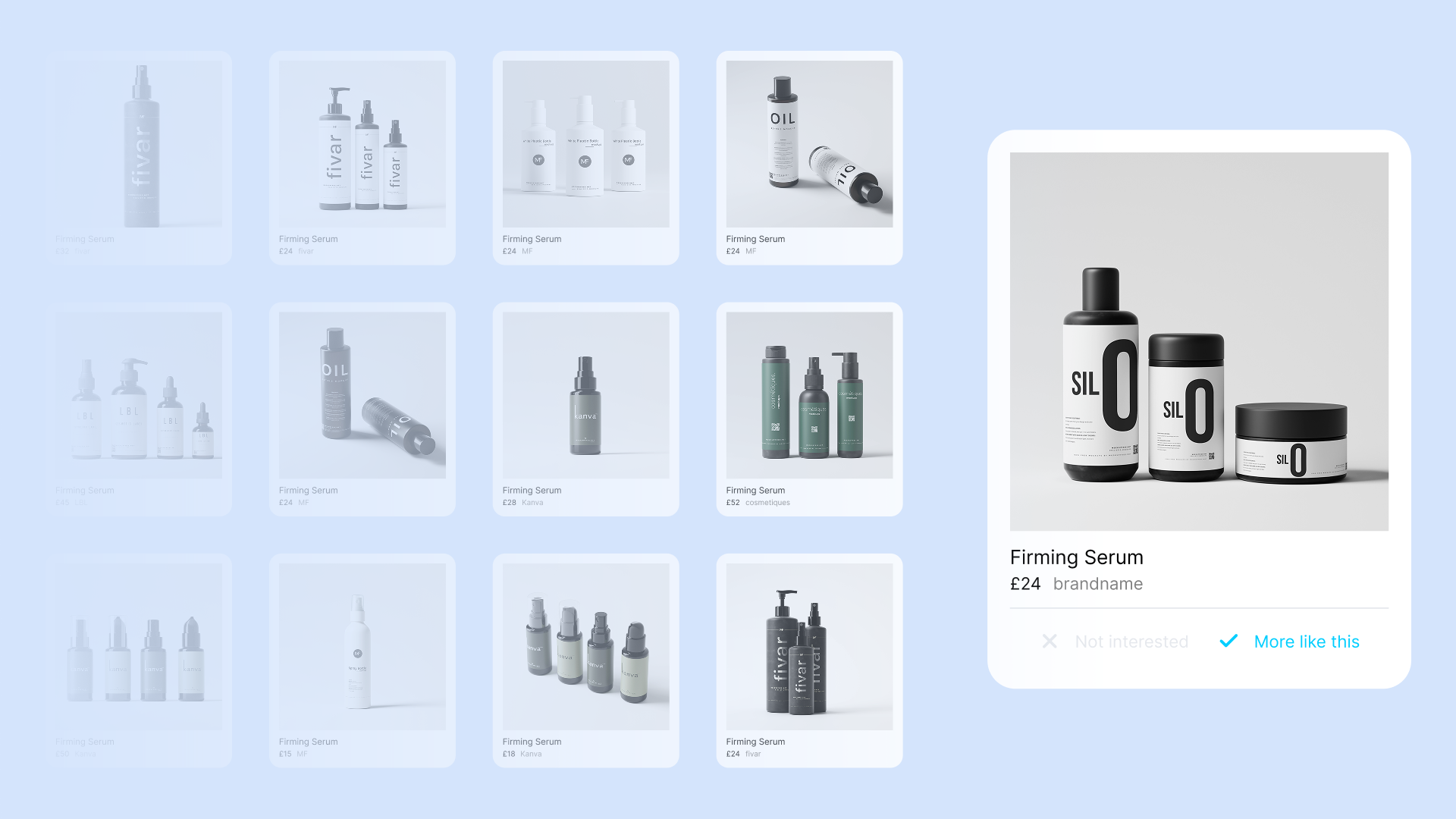
Shopping Research in ChatGPT allows users to discover products via conversation, rather than filters and category trees. Users describe what they’re looking for, budget, context, constraints and then ChatGPT can:
In parallel, OpenAI is rolling out Instant Checkout, allowing users in supported regions to purchase certain products directly within ChatGPT via the Agentic Commerce Protocol. This has been initially launched for U.S. Etsy sellers, with Shopify merchants and PayPal wallet support being layered in.
This isn’t a niche behaviour anymore:
For many consumers, “searching” is increasingly asking an AI engine, and that AI is now capable of taking them all the way from idea to purchase.
A lot of this can be explained through simple behavioural science, as we know that convenience is one of the strongest motivators in digital behaviour.
Google’s own framing of agentic shopping is explicitly about removing “endless scrolling, tracking prices and jumping between tabs”. ChatGPT, Perplexity and Gemini are doing the same thing by collapsing multi-step, high-friction journeys (search → compare → check reviews → find best price → checkout) into a single guided conversation.
For consumers, that means:
From a behavioural perspective, AI-driven shopping is just the logical next step in the long-running trend of platforms removing friction wherever they can.
The impact is broad, but it’s not evenly distributed.
Most exposed / biggest upside
Less impacted (for now)

AI agents can only recommend what they can understand. That makes clean, structured data non-negotiable.
ChatGPT’s Shopping Research and Google’s AI Mode both respond best when there is content that mirrors the way people actually ask questions:
One important nuance to be aware of is that GEO doesn’t replace SEO, it compounds it.
Most of the work required to succeed in AI shopping overlaps strongly with already-good SEO practice:
Where GEO adds new emphasis is in:
So, an “agentic strategy” isn’t about throwing away the SEO playbook. It’s about doubling down on the most durable, under-prioritised parts of it (structured data, rich content, reviews, first-party data) and making sure they are consumable by AI agents as well as search crawlers.
Traditional SEO metrics (rank, impressions, CTR) only tell part of the story. As AI layers thicken, consider measuring:
We’re early in this measurement ecosystem, but the direction of travel is clear: “Do we show up in AI shopping journeys?” will become a core KPI.
Both ChatGPT and Google are starting to support agentic checkout, but the reality is still highly constrained by region and platform:
The pragmatic stance today is:
The strategic point to emphasise is to be ready and informed, not prematurely over-engineered.
Putting this information together, a few themes emerge that can anchor your approach to GEO and agentic commerce for next year and beyond:




Connected commerce that scales. We design, engineer, and enable seamless ecosystems that connect channels, people, and performance, and convert across every touchpoint.
Learn more